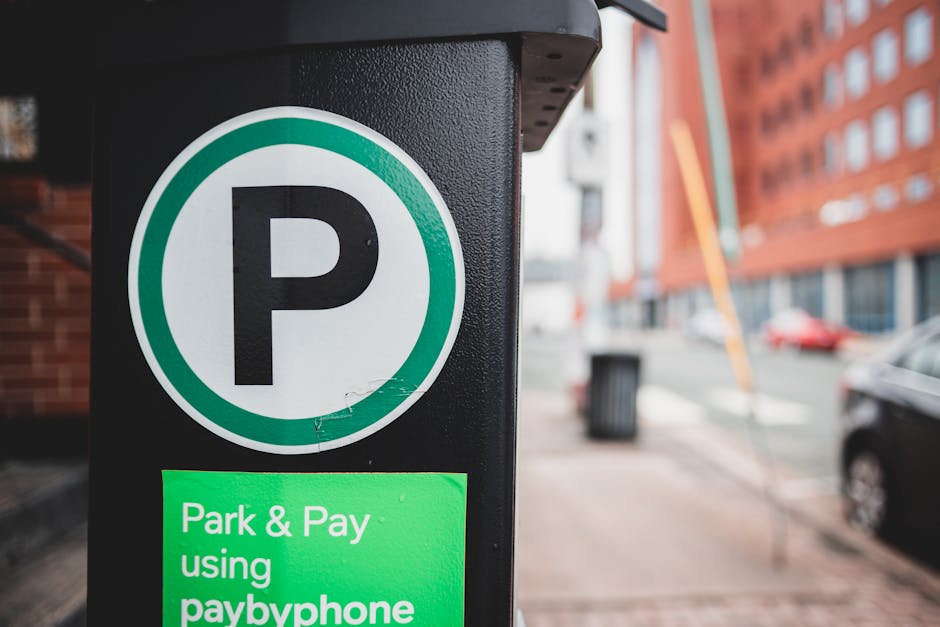
Avoid Parking Fines During Your Brent Cross Move
Moving home in Brent Cross can feel like a race against the clock. Boxes everywhere, a van outside, someone hunting for the kettle, and then-right when you least need it-a parking ticket on the windscreen. If you want to avoid parking fines during your Brent Cross move, the trick is simple: plan the vehicle position, check local restrictions early, and make sure the move-day setup works with the street, not against it.
This guide walks you through the practical side of moving without costly surprises. You will find clear steps, common mistakes, realistic examples, and a few small but important details that often get missed. It is written for people who want the move to be calm, legal, and, frankly, less annoying than it already is.
To keep things simple, we will also point out where a reputable moving company can help reduce stress. If you are comparing providers, pages like pricing and quotes, about us, and insurance and safety can be useful starting points.
Table of Contents
- Why Avoid Parking Fines During Your Brent Cross Move Matters
- How Avoid Parking Fines During Your Brent Cross Move Works
- Key Benefits and Practical Advantages
- Who This Is For and When It Makes Sense
- Step-by-Step Guidance
- Expert Tips for Better Results
- Common Mistakes to Avoid
- Tools, Resources and Recommendations
- Law, Compliance, Standards, or Best Practice
- Options, Methods, or Comparison Table
- Case Study or Real-World Example
- Practical Checklist
- Conclusion
- Frequently Asked Questions
Why Avoid Parking Fines During Your Brent Cross Move Matters
Parking fines are one of those move-day costs that feel unfair because they are so preventable. A van stops for ten minutes in the wrong place, the loading takes longer than planned, and suddenly you are dealing with a notice instead of unpacking boxes. Not ideal, to put it mildly.
In Brent Cross, as in many busy parts of London, parking space is often tight and road use is heavily managed. That means moving day needs more than a driver and a trolley. It needs a proper plan. Even if your property is on a quieter street, nearby restrictions, controlled zones, yellow lines, residents' bays, or loading rules can all affect where a removal vehicle can stop.
The real cost is not just the fine itself. There is the delay, the stress, and the knock-on effect on the whole schedule. If a van has to move halfway through loading, everyone feels it. The sofa is halfway out. The hallway is blocked. Someone is holding a wardrobe door while wondering if they should have had a second coffee. You know the scene.
Key takeaway: parking problems during a move are usually avoidable with early checks, a sensible arrival window, and a fallback plan for where the van can legally wait or load.
It also matters because moving day is already full of decisions. The more you simplify parking, the more energy you save for the things that genuinely need attention-keys, inventory, fragile items, and the little pile of essentials everyone forgets until the last minute.
How Avoid Parking Fines During Your Brent Cross Move Works
At a practical level, avoiding a parking fine is about matching your move plan to the road rules around the property. That sounds obvious, but it is often where people slip up. They assume a van can stop "just for a moment" outside the house. Sometimes that is fine. Sometimes it is exactly what causes the problem.
The process usually works in five parts:
- Check the street environment before moving day. Look for yellow lines, controlled parking signs, loading restrictions, resident permit bays, bus stops, and access points that must stay clear.
- Choose the right arrival time. Early mornings can be quieter, but they are not automatically safer. If restrictions begin at 8am or 9am, arriving at 7:30am may help. Arriving at 8:05am might not.
- Plan loading and unloading order. Put the heaviest or most awkward items first so the stop is shorter and the van is not sitting idle while someone hunts for the toaster.
- Keep a backup parking option. Sometimes the ideal space is taken by another vehicle. A second legal option nearby can save the day.
- Use a moving team that understands local conditions. Experienced movers know how to keep the process moving, especially in tighter London streets where space disappears fast.
The key idea is simple: the moving vehicle should be treated like part of the logistics, not an afterthought. In practice, that means planning where it will pause, how long it will stay there, and what happens if the first spot is unavailable.
If you are comparing moving options, a transparent provider with clear service details and payment information can make the process easier from the start. It is worth reviewing payment and security and terms and conditions before booking, just so you know exactly how everything is handled.
Key Benefits and Practical Advantages
A little parking preparation gives you more than ticket avoidance. It changes the feel of the whole move. Less scrambling. Fewer awkward conversations with neighbours. Fewer pauses while someone runs back inside because the van had to reposition again.
- Lower cost - No avoidable fines, and fewer delays that can increase labour time.
- Better timing - Loading and unloading are smoother when the van can stay put legally.
- Less stress - You are not trying to read parking signs while carrying a mattress.
- Safer handling - A stable, legal loading spot reduces rushed lifting and awkward manoeuvring.
- Better neighbour relations - Nobody enjoys blocking driveways or repeating apologies at the kerb.
- More predictable move day - You can think about the important things instead of scrambling for a second parking solution.
There is also a quieter benefit: you feel more in control. That matters. Moving is one of those times when small bits of certainty help a lot. If the parking side is handled, the rest of the move tends to feel more manageable too.
And let's be honest, a move already comes with enough unknowns. Which box has the cutlery? Why is the charger always missing? Why does one drawer somehow contain three spare batteries and nothing else? Parking does not need to join the chaos.
Who This Is For and When It Makes Sense
This advice is useful for almost anyone moving in or around Brent Cross, but it is especially important for:
- families moving from flats or terraced homes where street space is tight
- tenants with timed handovers and limited flexibility
- homeowners on streets with permit controls or narrow access
- people moving bulky furniture, appliances, or multiple rooms in one go
- anyone using a large van or removal vehicle that cannot fit in a standard car space
It makes sense whenever the property is on a public road, near a busy junction, or close to a retail or commuter area where parking changes through the day. Brent Cross can be especially sensitive in this respect because traffic patterns can shift quickly. A spot that looks fine in the morning may be far less practical later on.
If you are moving at a time when roads are busier than usual-school runs, weekend shopping traffic, or the end of the working day-parking becomes even more important. In those cases, a slightly earlier start or a more deliberate loading plan can make a noticeable difference.
Step-by-Step Guidance
Here is a practical way to handle it without overcomplicating things.
1. Walk the street before moving day
Do not rely on memory. Walk the immediate area and check every sign on the road. Look for double yellow lines, single yellow lines with time restrictions, bay markings, and any signs telling you who can park and when. If you only look once, look at the sign closest to where the van is likely to stop.
2. Decide where the van will load from
The best loading point is usually the one that allows quick access to the entrance without blocking traffic or neighbouring driveways. It does not have to be the absolute closest spot if a slightly further space is more reliable. Being legal and stable is better than being technically closer.
3. Build the loading order around the parking plan
If the van can only stay in a particular place for a short time, load the largest or most awkward items first. Beds, wardrobes, washing machines, and sofas should not be left until the end if they are the things that make the stop drag on.
4. Keep documents and essentials separate
Have proof of booking, contact numbers, keys, and any access information ready. If something changes, your moving team should be able to reach you quickly. A minute of searching for a phone number is exactly the kind of small delay that turns into a parking issue.
5. Prepare for a backup plan
If the preferred spot is taken, decide in advance what counts as Plan B. This might be a nearby legal bay, a side road, or a short wait while one item is carried in and the van is repositioned. What you do not want is a rushed argument with the kerb and a driver who is trying to be helpful but is running out of patience.
6. Keep the move moving
Once the van is in place, avoid long breaks. Drinks, snacks, and a short pause are fine. Full stop. But if loading stalls for twenty minutes while someone searches for a missing box of cables, the parking risk climbs again.
If you are booking help, this is where clear communication matters. It helps to know how a company handles arrival timing, loading support, and any unusual access issues. You can usually learn a lot from the way a provider explains its health and safety policy and insurance and safety arrangements. It is not glamorous, but it is reassuring.
Expert Tips for Better Results
These are the small things that often make the biggest difference.
- Use a van size that fits the street, not just the load. A slightly smaller vehicle can sometimes make the day easier if parking is tight.
- Keep a clear access path from the front door. The less zig-zagging between house and van, the better.
- Load by priority, not by room alone. The first items off the van at the new place should be the things you genuinely need first.
- Tell neighbours in advance if space will be limited. A quick heads-up can prevent a grumble and, occasionally, a blocked driveway scenario.
- Check for suspension changes or road works near the property. Temporary restrictions can appear and disappear fast.
One thing people forget: a van parked legally can still create trouble if it blocks sightlines or access. A bit of common sense goes a long way. You do not need to be a traffic expert. You just need to be a little more cautious than your moving-day adrenaline wants you to be.
Another useful habit is to take a quick photo of the parking position and nearby signs before unloading starts. Not because you expect a problem, but because it helps everyone stay aligned if there is any confusion later. A small habit. Very boring. Very effective.
Common Mistakes to Avoid
Most parking fines during a move come from avoidable assumptions. Here are the big ones.
- Assuming "loading" means "anything goes". Loading and unloading may be treated differently from general parking, but that does not mean every stop is automatically fine. You still need to check the local restrictions.
- Not checking the exact bay markings. A bay that looks available might be resident-only, pay-and-display, or restricted at certain times.
- Leaving the van unattended for too long. A quick lift inside is one thing. Disappearing upstairs to sort a cupboard is another.
- Forgetting about access for other vehicles. Fire access, driveways, and narrow roads can all create issues if the van is positioned badly.
- Arriving without a backup plan. This is a classic. The first spot is taken, and then everybody has to think on the fly. Not great.
- Booking too tightly. If the schedule leaves no room for parking adjustments, one small delay can snowball.
A lot of these mistakes come from trying to save five minutes at the start. Then you lose half an hour later. Funny how that works.
Tools, Resources and Recommendations
You do not need fancy tools, but a few simple things help a lot.
- Phone photos of parking signs and the kerb area
- Paper or digital notes with the move schedule and access details
- High-visibility tape or labels for boxes and priority items
- Basic measuring tape if you are checking whether a vehicle or furniture piece will fit through a space
- Printed contact details in case battery life gets messy on a busy day
If you are choosing a mover, look for clear communication, reasonable arrival windows, and an understanding of London access challenges. A provider that explains booking, service expectations, and practical support clearly will usually save you time later. Pages such as pricing and quotes and contact us can help you take the next step without guesswork.
If you also care about how a company handles its wider responsibilities, it may be worth reading recycling and sustainability and modern slavery statement. Those pages are not about parking directly, of course, but they do tell you something about the organisation behind the move. In real life, that counts.
Law, Compliance, Standards, or Best Practice
Parking and loading rules in London are usually enforced through local traffic management arrangements, so it is sensible to treat every street as its own case. The safest approach is to read the signs on the day, not rely on old assumptions or what worked at a different address last year. A bay that was fine in one property may be restricted in the next. Same road, different rules. Annoying, but true.
From a best-practice perspective, a move should avoid creating unnecessary obstruction, blocking driveways, or stopping in a way that makes the road unsafe. If there are permit zones, timed restrictions, or loading-only periods, those should be respected carefully. When in doubt, allow more time rather than less.
For movers, safety procedures matter too. That includes clear lifting methods, keeping walkways clear, using suitable equipment, and avoiding rushed vehicle manoeuvres. If a company has a strong health and safety policy, it is usually a good sign that parking and access are treated as part of the wider job rather than a casual afterthought.
It is also reasonable to ask about complaints handling, privacy, and payment arrangements before you book. That is not overthinking it. It is just sensible. Pages like complaints procedure, privacy policy, and payment and security can help you understand how the company works.
Options, Methods, or Comparison Table
If you are deciding how to handle parking on move day, these are the most common approaches. Each has its place.
| Method | Best for | Strengths | Limitations |
|---|---|---|---|
| Street-side loading with careful timing | Shorter moves, quieter roads | Simple, quick, cost-effective | Depends heavily on local restrictions and availability |
| Pre-planned nearby legal parking | Busier streets, tighter schedules | More reliable and lower risk | May require a longer carry distance |
| Small van or split load approach | Very restricted access | Easier to position legally | Can take longer and may need more trips |
| Professional mover with local access experience | Most home moves in Brent Cross | Less stress, better planning, practical support | Still needs accurate information from the customer |
The right option depends on your street, the size of the move, and how much flexibility you have. If your access is straightforward, a well-timed loading stop may be all you need. If the area is tight or busy, a more deliberate plan is safer.
Truth be told, the "best" method is usually the one that reduces friction rather than the one that sounds clever. Clever is overrated on moving day.
Case Study or Real-World Example
Here is a realistic example based on the sort of move people often make around Brent Cross.
A couple were moving from a first-floor flat to a nearby house. They assumed the removal van could stop outside the building because the road looked wide enough. On a weekday morning, however, the closest space was already taken, and the next one was a restricted bay during the school-run window. The van had to wait, the team had to carry boxes out in stages, and the schedule slipped by nearly an hour. No fine was issued in this case, but the delay alone was enough to make the day feel messy and more expensive than it needed to be.
When they moved again a few years later, they did it differently. They checked the street in advance, chose an earlier arrival time, split the essential items into a first load, and confirmed the access plan the day before. Much smoother. The difference was not luck. It was preparation.
That is the pattern you see again and again. The move does not need to be perfect. It just needs to be prepared.
Practical Checklist
Use this checklist the day before and again on the morning of the move.
- Check the parking signs on your street and nearby roads
- Confirm where the van will stop and how long it can stay there
- Identify a backup legal space if the first one is unavailable
- Keep keys, booking details, and phone numbers ready
- Ask neighbours or building management if any access issues are expected
- Label the first-load boxes clearly
- Move the van only when necessary and avoid unnecessary idle time
- Take photos of signs or parking positions if helpful
- Keep doorways, pavements, and shared access points clear
- Double-check arrival time so you are not caught out by timed restrictions
Quick reminder: the best parking plan is the one that leaves you calm enough to breathe, not the one that squeezes in the most ambition.
Conclusion
Avoiding parking fines during your Brent Cross move is not about being overly cautious. It is about being organised in the right places. If you check the road rules, choose a sensible arrival window, and keep a backup plan ready, you remove one of the most common moving-day headaches before it has a chance to start.
That small bit of planning can save money, time, and a good deal of frustration. More importantly, it helps the move feel controlled rather than chaotic. And on a day when everything is in boxes, that kind of calm matters more than people admit.
If you want practical support with your move, it is worth exploring pricing and quotes and then reaching out through contact us so you can talk through your access and parking needs in advance.
Get a free quote today and see how much you can save.
Move carefully, plan the space well, and give yourself one less thing to worry about. That really can make all the difference.
Frequently Asked Questions
Do I need a permit to park a moving van in Brent Cross?
It depends on the street and the local restrictions in place on the day. Some areas allow loading for limited periods, while others have resident-only bays or timed controls. Always check the signs where the van will stop.
Can a removal van stop on double yellow lines while loading?
Not automatically. Loading and unloading may be treated differently from ordinary parking, but the exact rules depend on the location and any local restrictions shown on the signs. It is safer to verify before the van arrives.
What is the safest time of day to move in Brent Cross?
There is no universal best time, but earlier windows can sometimes be easier because roads may be quieter and restrictions may not yet have started. That said, you should still check the timing of any parking controls on your street.
How long can a moving van stay parked outside my property?
That depends on the local rules and whether the vehicle is actively loading or unloading. If the stop starts to stretch out, the risk of a fine or complaint increases. Keep the process moving where you can.
What should I do if someone is already parked in the space I planned to use?
Have a backup plan ready. This might be a nearby legal bay or a slightly longer carry from a different spot. A calm fallback is much better than improvising under pressure.
Are parking fines the mover's responsibility or mine?
That depends on the circumstances and the agreement with the moving company. It is sensible to ask in advance how parking issues are handled and to make sure you understand the booking terms before move day.
How can I reduce the time the van needs to stay outside?
Prepare boxes in advance, label priority items, keep routes clear, and move high-priority furniture first. The less time spent deciding what goes where, the lower the parking risk.
Do bigger vans always cause more parking problems?
Not always, but they can be harder to position on narrower streets or in tighter bays. Sometimes a slightly smaller van or a more carefully planned loading spot is the smarter choice.
Should I tell my neighbours before the move?
Yes, if you can. A short note or quick conversation can prevent misunderstandings, especially if access may be limited for a few hours. It is a small courtesy that often pays off.
What documents should I keep ready on moving day?
Keep booking details, phone numbers, access instructions, and any notes about parking arrangements close at hand. If something changes, having that information ready saves time and avoids confusion.
How do I know if a moving company will handle parking sensibly?
Look for clear communication, practical arrival planning, and a company that explains its processes plainly. Reviewing pages such as about us, insurance and safety, and health and safety policy can give you a better sense of how they work.
What if I am only moving a short distance-do I still need to worry about parking?
Yes, because even a short move can run into the same parking restrictions and access issues. In fact, short moves sometimes get overlooked because people assume the logistics will be easy. That is often when the ticket sneaks in.
For any questions about your booking or move-day planning, you can also use the company's contact us page to ask about access, timings, and what to expect. A quick conversation now is usually worth far more than a rushed one later.