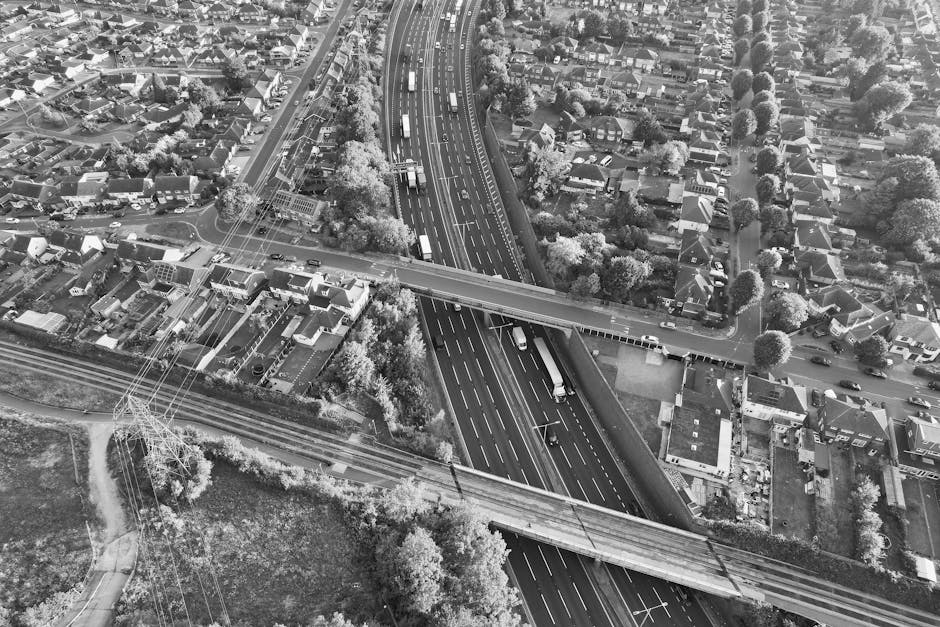
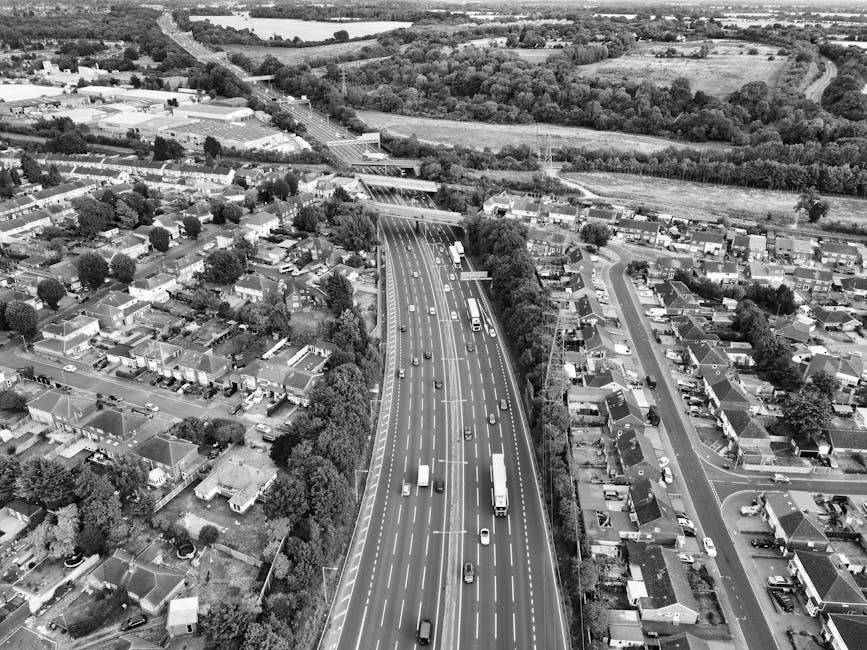
A406 Access for Removals in Brent Cross: Street-Level Tips
If you are planning a move near the A406 in Brent Cross, the difference between a smooth removal and a stressful one often comes down to the last 50 metres. Not the packing. Not the kettle box. The bit right outside the door. Street-level access, stopping space, pavement width, and the way traffic builds around the North Circular can make a big impact on timings, labour, and how safely your belongings are carried. This guide on A406 access for removals in Brent Cross: street-level tips breaks it down in plain English, so you can plan properly and avoid those annoying little snags that turn a good moving day into a faff.
Whether you are moving from a flat, a family house, or an office near Brent Cross, the aim is the same: make the approach to the property as safe and efficient as possible. To be fair, that is where many moves succeed or fail. Below, you will find practical advice, local-aware guidance, and a few real-world habits that experienced movers use every week.
Why A406 Access for Removals in Brent Cross: Street-Level Tips Matters
The A406, better known as the North Circular, is one of those London roads that can feel calm for five minutes and then suddenly clog up with vans, buses, delivery drivers, and impatient commuters. Around Brent Cross, the road network is busy, the turning options can be awkward, and a short delay can ripple through an entire removal schedule. That is why access planning matters so much.
For removals, street-level access means the practical route from the vehicle to the front door, loading bay, or entrance. It covers where the van can stop, how far the team will have to carry items, whether there is enough clearance for furniture, and how safely the move can be completed without blocking traffic or causing damage. If those details are overlooked, even a small move can become slow and expensive.
Brent Cross has a mix of residential streets, apartment blocks, commercial units, and transport-heavy roads feeding into the A406. Some properties are straightforward. Others are a bit tight, with narrow carriageways, limited kerb space, or no easy turning circle for larger removal vehicles. That is where good local planning pays off.
You will also find that access affects more than convenience. It can influence:
- how many porters are needed
- how long the job takes
- the chance of property or vehicle damage
- the ease of moving large items like wardrobes, sofas, or pianos
- whether the crew needs a smaller vehicle or shuttle transfer
If you want a broader understanding of how these moves are handled locally, the main removals in Brent Cross page is a good place to start, and the team behind it also explains their approach in the about us section. That matters because access challenges are not solved by guesswork. They are solved by experience, planning, and a calm head on the day.
How A406 Access for Removals in Brent Cross: Street-Level Tips Works
In practice, access planning starts before the van is even booked. A removal team will usually want to know the property type, the nearest road layout, whether there are parking restrictions, and whether the vehicle can get close enough to the entrance to keep carrying distances short. Around the A406, that first assessment is often the difference between a neat, efficient move and one that feels like a relay race.
The process usually works like this:
- Check the road approach. Identify the exact entrance, side street, and likely stopping point.
- Measure the carry distance. A few extra metres sound harmless, but they add up with heavy furniture.
- Review stopping and parking options. Look for kerb space, loading bays, or legal waiting areas.
- Think about item size. A bed frame, sofa, or piano may need wider turning space or extra handling care.
- Choose the vehicle size. A larger van may reduce trips, but it may not suit a tight street.
- Plan arrival time. Busy periods on the A406 can create delays, so timing is part of the strategy.
Street-level tips are really just the practical habits that make this process work better. For example, if a van cannot stop directly outside the entrance, it helps to pre-position trolleys, split loads into manageable sections, and keep the door route clear. It sounds simple. It is simple. But simple is often what saves a move.
When the access is a little more complicated, you may also want to think about service fit. A smaller vehicle or a flexible crew can be better than forcing a big van into a tight spot. If that sounds relevant, pages like man and van services in Brent Cross and removal van options can help you compare approaches without overcommitting to one setup too early.
Key Benefits and Practical Advantages
Good access planning might not feel glamorous, but it pays off in very real ways. In London removals, especially near a major route like the A406, the benefits are usually obvious by the end of the day. Less waiting. Less lifting. Fewer awkward pauses in the road. Less "hang on, where do we put this now?"
Here are the main advantages:
- Faster loading and unloading. The closer the van can get, the quicker the move tends to run.
- Lower risk of damage. Shorter carries usually mean fewer bumps, scrapes, and accidental drops.
- Less strain on everyone involved. That matters when carrying heavy items up steps or along uneven pavements.
- Better traffic manners. A well-planned stop reduces the chance of blocking the road or upsetting neighbours.
- Cleaner budgeting. If the job is efficient, it is easier to keep time and labour under control.
There is also a quieter benefit: confidence. When you know the access has been checked properly, you are less likely to spend the morning worrying whether the van can turn, park, or unload. You can just get on with the move.
Expert summary: In Brent Cross, the best removal plans are not always the biggest ones. They are the ones that match the street. Good access planning protects time, safety, and sanity - all three, ideally.
For anyone moving bulky furniture, it is worth reading the practical advice on furniture removals in Brent Cross. It complements access planning nicely because the shape and weight of items often decide how close the vehicle really needs to be.
Who This Is For and When It Makes Sense
This guide is useful for almost anyone moving in or around Brent Cross, but it becomes especially valuable when the street access is less than straightforward. If your property is near the A406, or if the route in involves narrow side roads, junctions, busy parking areas, or a shared entrance, then a bit of preparation can save a lot of effort.
It tends to make the most sense for:
- Flat movers who need to work with shared entrances, lifts, or limited parking
- House moves where a larger van may need space to stop without causing a problem
- Office relocations with equipment, desks, or filing units that need efficient handling
- Student moves where speed matters and timing may be tight between tenancy dates
- Same-day moves when there is little margin for parking mistakes or delays
If you are dealing with a top-floor flat, awkward stairwells, or a narrow entrance, the access question becomes even more important. The same goes for older buildings where the approach was never designed for modern vans. To be fair, London has a lot of those. Charming, yes. Easy to move into? Not always.
For flats in particular, the flat removals Brent Cross service page gives useful context on how these moves are usually handled. If you are moving a full household, the house removals Brent Cross page is equally relevant. And if time is tight, same-day removals in Brent Cross may be the practical fit.
Step-by-Step Guidance
If you want a simple way to think about access planning, use this sequence. It is not fancy, but it works. And on moving day, fancy usually loses to organised.
- Confirm the exact address and entrance. Sounds obvious, but side entrances and rear access can be easy to miss in Brent Cross streets.
- Look at the road on a map first. Check whether the van can approach from the most sensible direction, not just the shortest one.
- Note parking restrictions or time windows. Some streets are forgiving; others are not. If in doubt, plan conservatively.
- Measure narrow points. Gateways, steps, low walls, and corners can be the real bottlenecks.
- Match the vehicle to the site. A smaller van may be the better choice if road access is tight.
- Prepare the walking route. Clear the hallway, door threshold, and any clutter near the exit.
- Split items by weight and fragility. Keep heavy and delicate pieces separate so the unload is smoother.
- Arrange help if the carry is long. One extra pair of hands can be worth it, honestly.
- Build in a buffer. A few extra minutes for traffic, parking, or a neighbour's car is sensible planning, not pessimism.
A tiny example: if you are leaving a first-floor flat near the A406 and the closest stopping point is around the corner rather than outside the door, your job changes from a direct unload to a carry-and-return operation. That is fine, but it changes the time estimate. The smarter you are about the route, the more realistic your schedule becomes.
For packing and preparation, the advice in packing wisdom for a stress-free relocation is genuinely useful. It sits nicely alongside access planning because well-packed boxes are easier to stack, move, and keep safe when the street is a bit awkward.
Expert Tips for Better Results
Local movers tend to pick up a few habits over time. Nothing magical. Just practical improvements that make life easier when the street outside is busy and the stairs are a bit unforgiving.
1. Aim for the shortest safe carry, not just the nearest space
The best stopping point is not always the first patch of kerb you see. It needs to be legal, safe, and workable for loading. A position that saves ten seconds but forces a risky turn or awkward unload is not a win.
2. Use the building itself to your advantage
If a property has a rear entrance, service route, or courtyard access, consider whether it is easier than front-road unloading. In some Brent Cross buildings, that alternate route is the real shortcut. You just need to spot it early.
3. Pack by unload order
Pack the van in the order you want items to come out. If the sofa is going into the living room and the mattress is heading upstairs, keep them accessible. That reduces shuffling and makes tight street access much less painful.
4. Protect the first and last metres
Most damage happens at the edges: door frames, thresholds, stair corners, and van ramps. Use blankets, floor protection, and edge guards where needed. It is boring stuff, but it works.
5. Keep one person focused on access
On more complicated moves, it helps if one person watches the route and traffic flow rather than trying to carry and supervise everything at once. That person can call out obstacles, coordinate pauses, and stop a mishap before it starts.
If you are moving a piano, do not wing it. Really, do not. That is one of those jobs where specialist handling matters more than bravado, and the guide on piano removals in Brent Cross explains why. For similar reasons, if you are dealing with a sofa, the article on sofa storage and care is helpful for protecting bulky upholstered items before and after the move.
Common Mistakes to Avoid
Some problems come up again and again. The good news? They are mostly avoidable.
- Assuming the van can stop outside the door. In Brent Cross, that assumption can go wrong very quickly.
- Ignoring the time of day. Traffic near the A406 changes a lot. A quiet late-morning slot can feel very different from a busy school-run or evening period.
- Underestimating narrow entrances. A wardrobe that fits in a room may still be awkward at the doorway or stair bend.
- Forgetting about neighbours and shared spaces. Blocked access can cause complaints or delays, and nobody enjoys that on moving day.
- Choosing the wrong vehicle size. Too big can be hard to place. Too small can mean extra trips. Both create avoidable friction.
- Leaving packing until the last minute. That leads to loose items, slower loading, and more stress than necessary.
A common one, and this really happens, is forgetting that a perfectly fine parking space may still leave you with a very long carry. The move can look easy on paper and then, once you start carrying boxes, your shoulder starts to complain. A lot.
If your move involves a heavy item or you are tempted to do a tricky lift alone, the guide on moving heavy items solo is worth a read. It gives you a better sense of what is sensible and what is, frankly, not.
Tools, Resources and Recommendations
Good access is part planning, part equipment. You do not need a warehouse full of gear, but a few sensible tools make a big difference when the walk from the van to the property is longer than expected.
| Tool or Resource | Why It Helps | Best Used For |
|---|---|---|
| Furniture blankets | Protects items from doorframe bumps and floor scuffs | Sofas, cabinets, wooden furniture |
| Straps and ties | Helps secure loads in the van and during short carries | Boxes, appliances, stacked items |
| Two-wheel dolly or sack truck | Reduces strain on longer carries | Fridges, boxes, medium-heavy items |
| Floor runners or protective mats | Protects hallways and shared entrances | Flats, offices, communal buildings |
| Labels and room stickers | Speeds up unloading and reduces confusion | Full house and office moves |
For packing materials, the packing and boxes in Brent Cross page is a useful starting point. If you are decluttering before the move, the article on decluttering techniques can help reduce the amount of stuff that has to be carried through tight access in the first place. Less clutter, less pressure. Simple.
And if you are dealing with appliances, the freezer storage guide on protecting your freezer when idle is a good reminder that preparation is not just about lifting; it is about making sure your belongings are ready for transport and downtime too.
Law, Compliance, Standards, or Best Practice
This part is worth taking seriously, even if it feels a bit dry. In London, access planning is not only about convenience. It can also relate to parking rules, safe loading practices, and general duty of care on public roads and pavements. The exact requirements depend on the location, the street, the property, and the vehicle being used, so it is always best to check local arrangements rather than assume.
As a general rule, good practice includes:
- Using legal stopping and loading areas wherever possible
- Avoiding obstruction of junctions, crossings, drives, and emergency routes
- Keeping walkways clear for residents, neighbours, and passers-by
- Using safe lifting methods and suitable equipment for heavy items
- Respecting building rules in flats, estates, and managed properties
If your building has a management company, concierge, or a specific moving process, ask about it early. That small conversation can save a lot of backtracking. It is also sensible to check insurance and safety arrangements before the day, especially for higher-risk items or tighter access. The pages on insurance and safety and health and safety policy give useful reassurance about how a professional service approaches that side of things.
For broader service expectations, it may also help to look at the company's services overview and terms and conditions. Nothing dramatic, just sensible reading before you book. Better than surprises later, always.
Options, Methods, or Comparison Table
When access near the A406 is awkward, you usually have a few ways to handle the move. The right choice depends on the property, the volume of items, and how much stopping space is available. Here is a simple comparison.
| Method | Best For | Strengths | Trade-Offs |
|---|---|---|---|
| Large removal van | Full house or office loads with good road access | Fewer trips, efficient when space is available | Can be difficult to park or position near tight streets |
| Man and van | Smaller moves or mixed-access streets | Flexible, easier to place near residential roads | May need more than one run for bigger loads |
| Shuttle transfer | Restricted access properties | Useful when a larger van cannot reach the entrance | Extra handling and scheduling needed |
| Full-service removal team | Busy households, fragile items, or complex access | Less stress, more hands, better coordination | Usually more expensive than basic transport-only help |
If you are weighing up the choice, the decision often comes down to how much access uncertainty you want to absorb yourself. A smaller, adaptable setup can be better near congested roads, while a larger team may suit heavier loads if the stop is workable. For some readers, the removal companies Brent Cross page is useful for comparing service styles before settling on one. Others prefer to look at pricing and quotes early, which is fair enough. Budget matters.
Case Study or Real-World Example
Here is a realistic example based on the kind of move people often face near Brent Cross. A couple were moving from a second-floor flat not far from the A406 into a house a few streets away. On paper, it looked like a short job. In reality, the street outside the flat had limited stopping space, and the building entrance sat just far enough from the road to make every load a little more tiring than expected.
Instead of trying to force a large vehicle directly outside the entrance, the movers checked the street first, selected a more suitable van size, and planned a short carry route with a clear loading sequence. Sofas, boxes, and the bed frame were loaded in the right order so the most awkward items came off first at the new property. A trolley was used for the heavier boxes, and floor protection went down in the communal area. Nothing dramatic. Just calm, sensible movement.
The result was not flashy, but it was efficient. No one had to double back because a box was packed badly. No one was scrambling for parking while the crew waited. And perhaps most importantly, the move felt manageable. That is often what people want most: not perfection, just a day that does not unravel.
For similar planning on a local route, the guide on moving to Claremont Road in Brent Cross gives a good sense of how local streets can shape the moving process in practice.
Practical Checklist
Use this checklist before moving day. It is short, but it covers the bits that usually matter most.
- Confirm the exact address, entrance, and any rear or side access
- Check whether a van can legally and safely stop near the property
- Review likely traffic conditions around the A406 for your moving window
- Measure doorways, stair turns, and any narrow approach points
- Decide whether you need a smaller van, a larger van, or extra helpers
- Keep hallways, steps, and shared entrances clear
- Pack heavy and fragile items separately
- Label boxes by room and priority
- Prepare protection for floors, furniture edges, and delicate surfaces
- Check any building rules, permits, or management instructions in advance
- Have a phone charged and ready for day-of coordination
- Leave a small timing buffer for traffic or parking changes
Practical takeaway: if the street access is a bit awkward, you do not need a heroic solution. You need a tidy one. Measure, plan, protect, and keep the route clear. That is usually enough.
Get a free quote today and see how much you can save.
Conclusion
A move near the A406 in Brent Cross does not have to be stressful, but it does need a proper look at street-level access. Once you know where the van can stop, how far the carry really is, and what the road conditions are likely to be, the whole day becomes easier to control. That small bit of planning often saves time, prevents damage, and keeps everyone in a better mood. Which, let's face it, is no small thing on moving day.
If you are still deciding how to approach the move, start with the access question first, then match the service to the street rather than the other way around. It is a simple shift in thinking, but it usually leads to a smoother result.
And if you need help turning a tricky street into a workable move, a local removals team can take a lot of pressure off your shoulders. Quietly, efficiently, the way it should be.
Frequently Asked Questions
What does street-level access mean for removals in Brent Cross?
It means the practical route between the removal vehicle and your property entrance. It includes stopping space, pavement width, steps, doorways, and the distance items need to be carried.
Why is the A406 tricky for removals?
The A406 is busy, fast-moving, and connected to several local roads that can become congested at peak times. Even if the property itself is close by, access can still be awkward because of traffic and limited stopping space.
Should I book a smaller van if my street is tight?
Often, yes. A smaller van can be easier to position near narrow streets or limited parking areas. It may require more trips, but it can also make the move simpler and safer.
How far in advance should I check parking or access?
As early as you can. Ideally, check before booking so you can choose the right service and vehicle. A last-minute look is better than nothing, but early planning gives you more options.
Do I need to tell the removals team about stairs or long carries?
Absolutely. Stairs, long carries, narrow entrances, and restricted stopping points can change the whole move. The more accurate the information, the better the plan.
What if the van cannot park directly outside my property?
That is common in London. The team may use the nearest safe stopping point and carry items from there, or they may use a smaller vehicle or shuttle approach if access is very restricted.
Are there special issues for flat removals near Brent Cross?
Yes. Flats can involve communal entrances, lifts, shared hallways, and stricter building rules. A careful access plan helps avoid delays and keeps other residents happy too.
How can I make loading faster on a tight street?
Keep the route clear, pack boxes by room, place heavier items where they are easiest to reach, and protect door frames and floors in advance. Small steps, but they matter.
Is it worth paying for a full removals service if access is awkward?
Often it is. If the street is difficult, or the move includes heavy furniture and fragile items, a more experienced service can save time and reduce stress. It depends on the size and complexity of the move.
What should I do if my building has specific moving rules?
Check them early and share them with the removals team. Some buildings require lift booking, parking permissions, or specific hours. Sorting that out in advance keeps everything smoother on the day.
Can removals help with same-day jobs around the A406?
Yes, if the schedule, access, and vehicle fit are all workable. Same-day moves are much easier when the location has been checked properly and the team knows what to expect.
What is the most common access mistake people make?
Assuming the van can just stop outside. In reality, local parking, traffic, and road layout often change that plan. A quick access check usually prevents the biggest problems.
How do I get a quote for a move with difficult street access?
Share as much detail as possible: address, floor level, parking situation, item types, and any access restrictions. The more specific you are, the more accurate the quote is likely to be. If you are ready, you can also go straight to the contact page.