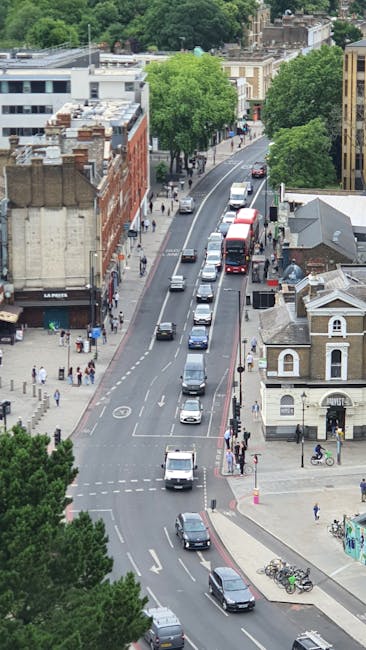
If you are moving to Claremont Road in Brent Cross, the flat-pack boxes and bubble wrap are only part of the job. The real challenge is often access: where the van can stop, how far your belongings need to be carried, whether there is enough turning space, and how to avoid delay on the day. A good local access guide takes those details seriously, because they can make the difference between a calm move and a frustrating one.
This guide walks you through the practical realities of relocating to Claremont Road. You will find advice on route planning, parking and loading considerations, building access, timing, moving common household items, and the best way to prepare if you are hiring professional help. If you want a smoother move overall, it also helps to pair this with broader preparation advice from the services overview, or with useful planning tips from the team's packing guide and decluttering advice.
Claremont Road sits in a busy part of Brent Cross, so access is rarely something to leave until the last minute. The good news? Once you understand the local layout and plan around the pinch points, the move becomes much more manageable.
Table of Contents
- Why this local access guide matters
- How access planning works in practice
- Key benefits and practical advantages
- Who this is for and when it makes sense
- Step-by-step guidance
- Expert tips for better results
- Common mistakes to avoid
- Tools, resources and recommendations
- Law, compliance, standards and best practice
- Options and comparison table
- Case study example
- Practical checklist
- Conclusion
- Frequently asked questions
Why Moving to Claremont Road, Brent Cross: Local Access Guide Matters
Access is not a side issue; it is one of the main drivers of how long a move takes, how physically demanding it becomes, and how much risk there is to furniture, walls, and stairwells. In a road like Claremont Road, the practical question is not just "Can a van reach the address?" but "Can it reach it without creating a bottleneck, blocking neighbours, or forcing long carries?"
That matters for three reasons. First, access affects efficiency. A van that can park close to the entrance saves time and reduces handling. Second, it affects safety. Narrow walkways, awkward corners, and stairs are exactly where boxes get dropped and backs get strained. Third, it affects planning. If you know in advance that the property is upstairs, in a managed block, or limited by loading restrictions, you can choose the right crew size and vehicle type.
Brent Cross is a busy north London area with regular traffic movement and a mix of residential and commercial activity. That means a move that looks straightforward on a map can still become complicated on arrival. It is one reason many households and tenants look for support through house removals in Brent Cross or a more flexible man and van service when they need a practical, adaptable solution.
Expert summary: The better you understand local access before moving day, the less you rely on luck. Good access planning saves time, reduces physical strain, and protects your belongings.
How Moving to Claremont Road, Brent Cross: Local Access Guide Works
Access planning works best when you treat it like a mini site survey. You do not need surveyor-level detail, but you do need enough information to answer the basic operational questions:
- Where can the van stop safely?
- How far is the carry from van to front door?
- Are there stairs, lifts, or tight internal turns?
- Will the building or road create time restrictions?
- Can large items be moved without disassembly?
For a Claremont Road move, this usually starts with a quick assessment of the property type and the surrounding street. Some homes are easier than they look from the outside; others hide awkward access behind a clean frontage. A basement flat, for example, may need more careful handling than a ground-floor property because the steps and doorway angles change the whole operation. If that sounds familiar, the flat removals service is often the most relevant route.
Once access is understood, the move is broken into practical segments: unloading from the van, moving items along the shortest safe route, placing items inside the property, and protecting walls, floors, and door frames. This is where professional crews usually gain time. They are not just lifting; they are sequencing the move so that no one is repeatedly carrying the same awkward piece around obstacles.
For larger households, access planning also affects vehicle choice. A smaller van can sometimes be the smarter option if road space is tight, while a larger van may reduce the number of trips if there is room to park. If your move involves bulky furniture, consider reading the dedicated furniture removals page alongside the main guide.
Key Benefits and Practical Advantages
The most immediate benefit of proper access planning is control. You know what to expect, and that makes every other decision easier. But there are other advantages too.
- Shorter loading and unloading times because the route is already clear.
- Less risk of damage to furniture, doors, stair rails, and communal areas.
- Better labour planning because the number of movers matches the physical reality of the property.
- Improved vehicle selection so you do not end up with an oversized van that is awkward to position.
- Lower stress on moving day because there are fewer surprises.
There is also a financial angle. Delays caused by poor access can increase labour time and may require a second trip if the vehicle cannot be placed where expected. That is especially relevant for customers comparing quotes. A transparent estimate is more useful than a low headline price that assumes perfect access. If you are still comparing options, a visit to pricing and quotes can help you understand how the job is usually approached.
Another overlooked benefit is neighbourly goodwill. Moves that are well coordinated tend to be quieter, faster, and less disruptive. That sounds small, but in a shared street or block, it matters more than people think.
Who This Is For and When It Makes Sense
This guide is useful for almost anyone moving into Claremont Road, but it is especially relevant if your move involves one or more of the following:
- a flat or maisonette with stairs or lift access
- large furniture such as sofas, wardrobes, dining tables, or beds
- limited roadside parking or controlled access
- moving on a weekday when traffic is heavier
- student or short-term lets with tighter turnaround times
- same-day move requirements
Students and renters often benefit from flexible, fast-moving support because tenancy dates can overlap awkwardly. In those cases, student removals in Brent Cross or same-day removals may be the practical fit. Homeowners, meanwhile, often need more detailed planning around furniture protection, parking, and access to multiple rooms.
If your move includes a piano, heavy exercise equipment, or a high-value item that needs specialist handling, a standard lift-and-carry approach may not be enough. In those cases, use the specialist pages and guides rather than guessing. The article why DIY is not ideal for moving your valuable piano is a sensible read before you decide how to proceed.
Step-by-Step Guidance
Here is a practical way to plan a move to Claremont Road without getting overwhelmed.
1. Confirm the property type and access points
Start with the basics: front entrance, rear access if any, floor level, lift availability, and whether there are internal obstacles. Take photos if possible. A quick visual record can be surprisingly helpful when discussing the job in advance.
2. Measure the items that matter most
You do not need to measure every spoon, but you should know the dimensions of the largest and most awkward pieces: sofa, mattress, wardrobe, fridge-freezer, desk, or piano. If something barely fits through your old hallway, it will not magically become easier on moving day.
3. Plan the van position
Think about where the vehicle can stop, whether there is a loading bay nearby, and how far movers will need to carry items. A short carry is usually preferable, but the safest position is the one that does not block traffic or create risk.
4. Decide what needs dismantling
Flat-pack furniture, bed frames, and some wardrobes may need partial dismantling. The aim is not just to make things smaller, but to make them safer to move. For bed-related advice, the guide on moving your bed and mattress like a pro can save a lot of trial and error.
5. Pack by room and by priority
Pack the essentials separately, then group the rest by room. Clear labels help everyone, especially when there is a tighter access route and you want boxes placed directly where they belong. A focused packing plan also reduces the number of times things are shifted around inside the property. The team's packing wisdom guide goes deeper on that point.
6. Prepare for arrival day
Keep hallways clear, protect floors where needed, and make sure keys, codes, and contact numbers are accessible. If you are moving from a larger property, it can also help to separate furniture that needs special handling from the general load.
7. Build in a buffer
Even well-planned moves can slow down because of traffic, weather, or access delays. A small buffer keeps the day from becoming chaotic. This is especially useful if you are handing over a property on the same day or fitting around work hours.
Expert Tips for Better Results
Access issues are easier to manage when you prepare like an operator rather than a bystander. Here are the practical habits that tend to make the biggest difference.
- Use smaller boxes for dense items. Books, crockery, and tools become far harder to handle if packed too heavy.
- Protect corners and frames. Simple coverings reduce scuffs during tight manoeuvres.
- Move the heaviest pieces first. That keeps fatigue lower early in the day, when lifting quality matters most.
- Keep a clear path from door to van. It sounds obvious, but one stray lamp or bag can slow everything down.
- Talk through the route before lifting. A few seconds of communication prevents a lot of awkward backtracking.
If the property has stairs, tight bends, or awkwardly balanced items, manual technique matters. That is where sensible lifting mechanics become more than a nice-to-have. For a plain-English breakdown, see kinetic lifting and balancing power with technique or the related article on moving heavy items solo. Truth be told, most back strain happens when people rush the first two or three lifts.
And one more small but useful point: if you are storing furniture temporarily, do not treat storage and moving as separate conversations. Items that are packed badly for storage usually create problems when the van arrives. The guide on sofa storage and care is a good example of the kind of thinking that prevents future headaches.
Common Mistakes to Avoid
Most moving problems are not mysterious. They are usually the result of one of a few predictable mistakes.
- Assuming parking will be fine. A street can look manageable until another vehicle occupies the best spot.
- Ignoring stair width and landing turns. A sofa that fits the doorway may still fail at the corner.
- Overpacking boxes. Heavy boxes slow the team down and create avoidable injury risk.
- Leaving packing until the last evening. That is how mislabels, broken items, and stress pile up.
- Not warning movers about specialist items. Pianos, antique furniture, and large appliances should never be "surprises."
- Forgetting about cleaning and handover timing. Move-out pressure rises quickly when the old property still needs attention.
One especially common issue is underestimating the time needed to move from a flat or a top-floor property. If your access requires multiple trips on stairs, even a small move can be physically draining. That is why many people choose a flat removals service rather than trying to piece the job together themselves.
Another error is choosing a service purely on price without asking how access is handled. A quote that seems cheaper may not include the practical support you actually need. If you want to compare services more carefully, it can help to review the broader removal services in Brent Cross before making a decision.
Tools, Resources and Recommendations
A smooth move does not require a warehouse full of equipment, but a few practical tools go a long way.
| Tool or resource | Why it helps | Best use case |
|---|---|---|
| Sturdy boxes in mixed sizes | Protects items and keeps weight manageable | General household packing |
| Labels and marker pens | Makes unloading faster and more organised | Room-by-room packing |
| Furniture blankets | Reduces scuffs and edge damage | Sofas, tables, wooden furniture |
| Straps and trolley aids | Improves handling of bulky items | Heavy furniture and appliances |
| Floor protection | Helps prevent marks in hallways and entrances | Shared buildings and rental properties |
From a service perspective, the most useful resources are often the ones that help you align the whole move, not just the lifting. If you need packing supplies, see packing and boxes in Brent Cross. If you need temporary off-site space, storage options in Brent Cross can prevent rushed decisions. And if you want to understand how the business presents its service approach and customer support, the about us page gives useful context.
For households trying to reduce what they move, decluttering is one of the highest-value preparations you can make. Fewer items mean fewer access complications, fewer load decisions, and less pressure on the van. That is why the team's article on pre-move cleaning and the guide to transitioning into your new home smoothly are worth reading together.
Law, Compliance, Standards, or Best Practice
For most domestic moves, the main compliance concerns are practical rather than legal: safe lifting, responsible vehicle parking, and respect for building rules or landlord requirements. That said, there are a few standards and best practices worth keeping in mind.
Health and safety: anyone involved in lifting or carrying should avoid unsafe loads, rushing, and poor posture. If a move involves awkward weight, multiple flights of stairs, or fragile objects, it is sensible to use trained help. A professional operator should be able to explain how the move will be handled and what precautions are in place. You can review the general approach through the company's health and safety policy and insurance and safety information.
Building access and permissions: if you are moving into a managed property, check whether you need to book a lift, reserve a loading area, or follow move-in time windows. These details are often set by landlords or managing agents rather than by law, so it is best to confirm them directly.
Parking and local rules: loading restrictions, permit zones, and time limits vary by street and borough. Because these can change, always verify current rules with the local authority or your building manager rather than relying on old assumptions.
Consumer clarity: when getting a quote, ask what is included, how access challenges are handled, and whether there are extra charges for stairs, waiting time, or difficult carries. A clear written agreement is usually the best protection against misunderstanding.
If you are evaluating providers, you may also find the company's terms and conditions, payment and security, and accessibility statement useful for understanding how the service is run.
Options, Methods, or Comparison Table
Different moves call for different approaches. The right choice usually comes down to access, volume, and time pressure.
| Method | Best for | Strengths | Watch-outs |
|---|---|---|---|
| Man with a van | Smaller homes, flats, flexible moves | Flexible, practical, cost-conscious | Less suited to very large household loads |
| Full house removals | Family homes and bigger inventories | More manpower, better for bulk items | Usually more coordination required |
| Same-day removals | Urgent or changed plans | Fast response, useful for deadlines | Availability can be limited |
| Storage plus delivery | Moves split over different dates | Reduces time pressure | Needs planning and storage cost consideration |
For Claremont Road, a compact and flexible approach often works well if access is tight. But if you are moving a full property with larger furniture, a more structured removal plan may save time. The best option is the one that matches the street conditions, not the one that sounds biggest on paper.
If you are still deciding, compare the relevant service pages side by side: man with a van, house removals, and same-day removals. That usually makes the choice clearer very quickly.
Case Study or Real-World Example
Here is a realistic example. A couple moving into a first-floor flat near Claremont Road had a sofa, bed frame, two wardrobes, a dining table, and around thirty boxes. On paper, it looked like a standard move. In practice, the access route changed everything.
The vehicle could not stop directly outside for long, so the team planned for a short carry from the nearest practical stop. One wardrobe was dismantled in advance because the stair turn was too tight to risk. Boxes were grouped by room and priority, which meant the kitchen essentials were unloaded first and the rest followed in a clean sequence.
The move went smoothly not because the property was easy, but because the access issues were identified early. The clients did not waste time improvising, and the movers were not left guessing. That is the whole point of a local access guide: it transforms vague uncertainty into a workable plan.
If that kind of move sounds familiar, the right preparation can make a big difference. In some cases, the simplest answer is to pair planning with a service that already understands the area. That is often where local experience becomes more valuable than a generic promise.
Practical Checklist
Use this checklist in the final days before moving into Claremont Road.
- Confirm the exact address, entry point, and any flat number or door code.
- Check whether parking or loading restrictions apply at your arrival time.
- Measure large furniture and confirm it fits through access routes.
- Decide which items need dismantling before move day.
- Label boxes clearly by room and priority.
- Keep essentials separate for the first night.
- Protect fragile items with suitable wrapping and filler.
- Arrange floor or wall protection if the building requires it.
- Notify neighbours or building management if necessary.
- Have contact details ready in case timings change.
- Book storage if you are not moving everything at once.
- Review the quote, included services, and any access assumptions.
If you are trying to keep the move lean, focus on decluttering, packing discipline, and clear access. Those three things solve more problems than most people expect.
Conclusion
Moving to Claremont Road in Brent Cross becomes much easier when you treat access as a core part of the move rather than a background detail. Once you know where the van can stop, how the load will move, and which items need special handling, the rest of the day starts to fall into place.
The best moves are usually the ones that look unremarkable in hindsight. That is a good thing. It means the planning worked.
If you are preparing for a move into Claremont Road and want to reduce the usual stress, compare the relevant services, prepare your access details, and keep the route from van to front door as simple as possible. A little forethought here can save a surprising amount of effort later.
Get a free quote today and see how much you can save.
Frequently Asked Questions
Is Claremont Road in Brent Cross difficult for moving vans?
It can be, depending on the time of day, the exact property position, and whether nearby parking is available. The street itself is only part of the picture; the real issue is often how close a van can safely stop and whether there is room to unload without blocking traffic.
Should I book a man and van or a full removal service for this area?
That depends on the size of your move. For smaller flats, shared loads, or flexible schedules, a man and van service may be enough. For larger homes, more furniture, or heavier access challenges, full house removals are usually the better fit.
Do I need to measure my furniture before moving?
Yes, at least the largest and most awkward items. Sofas, mattresses, wardrobes, and appliances are the pieces most likely to create access problems. A few measurements can prevent a lot of last-minute trouble.
What if the van cannot park directly outside my new home?
Then the team needs to plan for a carry from the nearest practical stopping point. That is normal in many London moves. It just needs to be factored into the timing and labour plan from the start.
Are flat moves in Brent Cross usually more complicated?
Often, yes. Stairs, lifts, shared corridors, and tighter internal turns all add complexity. That is why flat removals are usually best approached with a clear access plan rather than a guesswork approach.
Can I move everything on the same day if access is tight?
Sometimes, but it depends on the amount of furniture, the number of movers, and how easy the property is to reach. If access is limited, same-day removals can still work, but they need a realistic schedule and a prepared property.
What should I do with items I cannot move immediately?
Storage is often the simplest answer. It gives you breathing room if completion times, keys, or access windows do not line up neatly. Short-term storage can be much less stressful than trying to force an unrealistic move.
How can I make the move safer for heavy furniture?
Use proper lifting technique, keep pathways clear, dismantle where sensible, and do not attempt risky solo lifts. If an item is heavy, awkward, or valuable, specialist handling is usually the safer choice.
Will I need to clean the old property before moving out?
In most tenancy situations, yes, at least to a reasonable standard. Cleaning matters because it affects handover, deposit expectations, and general timing on the day. A practical pre-move clean can save a lot of pressure later.
How far in advance should I arrange a quote?
As early as you can, especially if your move involves a busy date, a larger property, or possible access issues. Early quotes also give you time to compare options and raise questions about parking, stairs, or special items.
What information should I give when asking for a quote?
Share the address, property type, number of rooms, large items, access details, floor level, and any loading restrictions you know about. The more accurate the information, the more useful the quote will be.
Is there a benefit to using a local Brent Cross removal team?
Yes. Local experience often helps with route planning, access awareness, and realistic timing. A team familiar with the area is more likely to anticipate the small details that make the day run smoothly.